

Still protecting your liver, guts and arteries….one e-mail at a time
1. Kiwis: The Unassuming Powerhouse
Kiwis give you (in my opinion) the most bang for buck!
A 2023 randomised controlled trial found that kiwifruit increased complete spontaneous bowel movements by one per week.
They’re nature’s laxative, minus the dependency issues.
Each kiwi packs 2.3g of fibre; plus Kiwi fibre holds water exceptionally well, creating bulkier, softer stools that transit faster.
Plus vitamin C content that embarrasses oranges (93mg per fruit), folate, and actinidin…an enzyme that aids protein digestion. Good gut health too!!
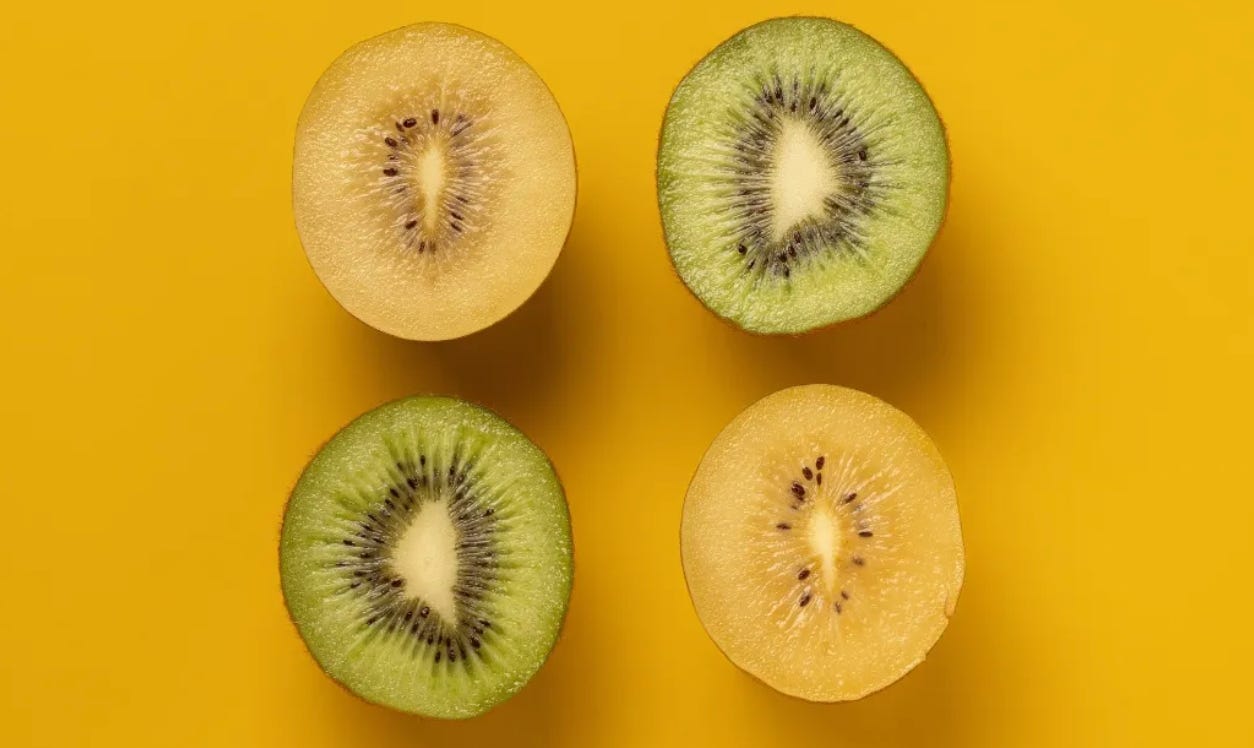
Eat with skin off OR skin on (if you’re a psycho)
2. Mixed Nuts: Choose Your Fighter
Thirty grams daily. That’s my dose. The perfect snack!
The PREDIMED trial – Mixed nuts reduced cardiovascular events by 28% in high-risk individuals; actual heart attacks and strokes.
Almonds lead for vitamin E and fibre. Walnuts dominate omega-3s with 2.5g per ounce.
Brazil nuts? Two give you your entire selenium requirement.
Pistachios offer the most potassium per calorie.
The mechanism: nuts improve endothelial function, reduce oxidative stress, and modestly lower LDL cholesterol. No brainer!
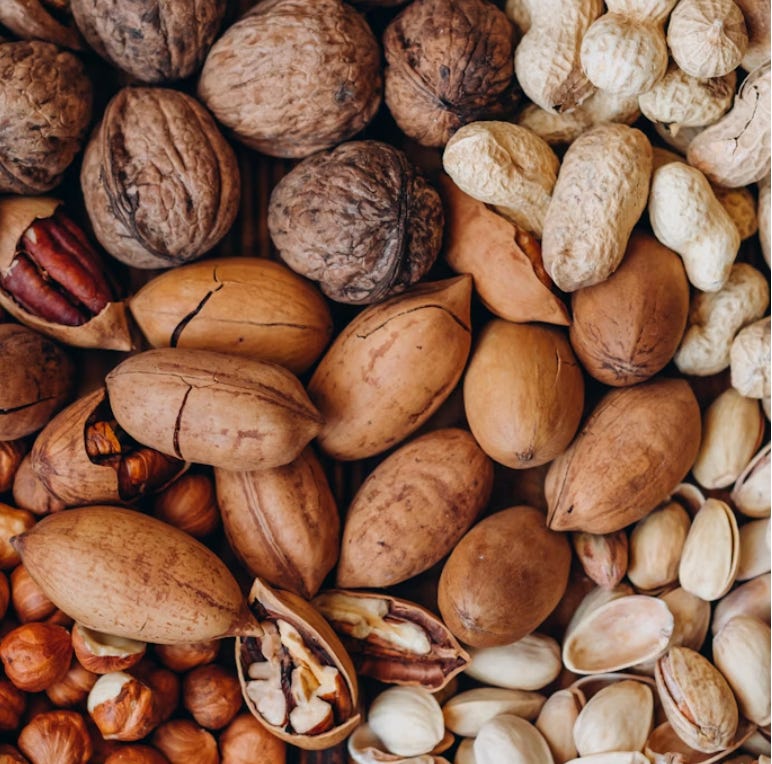
The ideal snack
3. Dark Chocolate: Science Meets Pleasure
Seventy/eighty percent cocoa minimum. 1-2 small pieces.
Flavanols in dark chocolate increase nitric oxide production, improving blood flow.
A meta-analysis of 23 studies found consistent blood pressure reductions of 2-3 mmHg.
Modest? Sure. But population-wide, that prevents thousands of cardiovascular events.
The gut angle? Cocoa polyphenols act as prebiotics, selectively feeding beneficial bacteria. Your microbiome enjoys quality chocolate.
Just keep it dark (80% and above). Milk chocolate doesn’t count.

1-2 small squares per day
4. Salmon: Natural Omega-3s
Twice weekly. Wild-caught when possible.
The omega-3 content speaks for itself…2.2g per 100g serving. But salmon offers complete protein, vitamin D, and astaxanthin (that pink pigment with potent antioxidant properties).
Brain function improves measurably. The VITAL trial showed 28% reduction in heart attacks with marine omega-3s. Depression scores drop. Inflammation markers plummet. LDL (bad cholesterol) lowers.
Fresh, frozen, or canned…all work. The benefits persist across preparation methods.

Expensive, I know, but so worth it.
5. Greek Yoghurt: Protein Meets Probiotics
Full-fat. Unsweetened. Daily. SO tasty!
Twenty grams of protein per serving, but that’s not why I eat it.
The probiotic strains (particularly Lactobacillus bulgaricus and Streptococcus thermophilus) survive stomach acid better than most supplements.
A 2024 systematic review found fermented dairy reduced type 2 diabetes risk by 14%. The mechanism? Improved insulin sensitivity, enhanced gut barrier function, and short-chain fatty acid production.
Skip the low-fat versions.
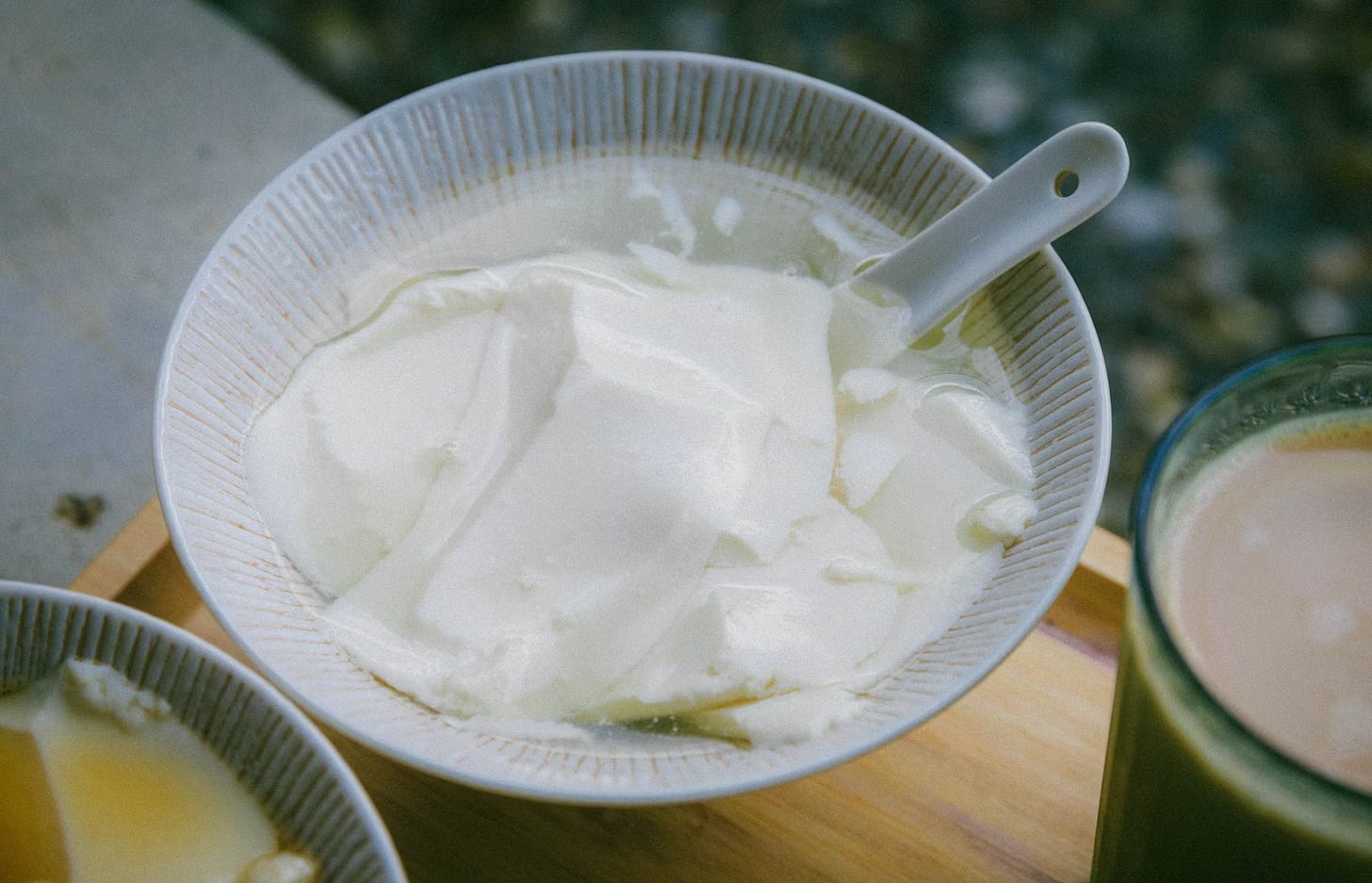
mhmmm gimme gimme!
6. Blueberries: Morning Antioxidants
One cup. Empty stomach. First thing.
Anthocyanins (the compounds making them blue) cross the blood-brain barrier. Cognitive function improves within hours. A 12-week study showed improved memory and reduced blood pressure with daily consumption.
Why an empty stomach??
Polyphenol absorption peaks without competing foods. Your gut bacteria ferment what you don’t absorb, creating beneficial metabolites that last all day.
Frozen works just as well!
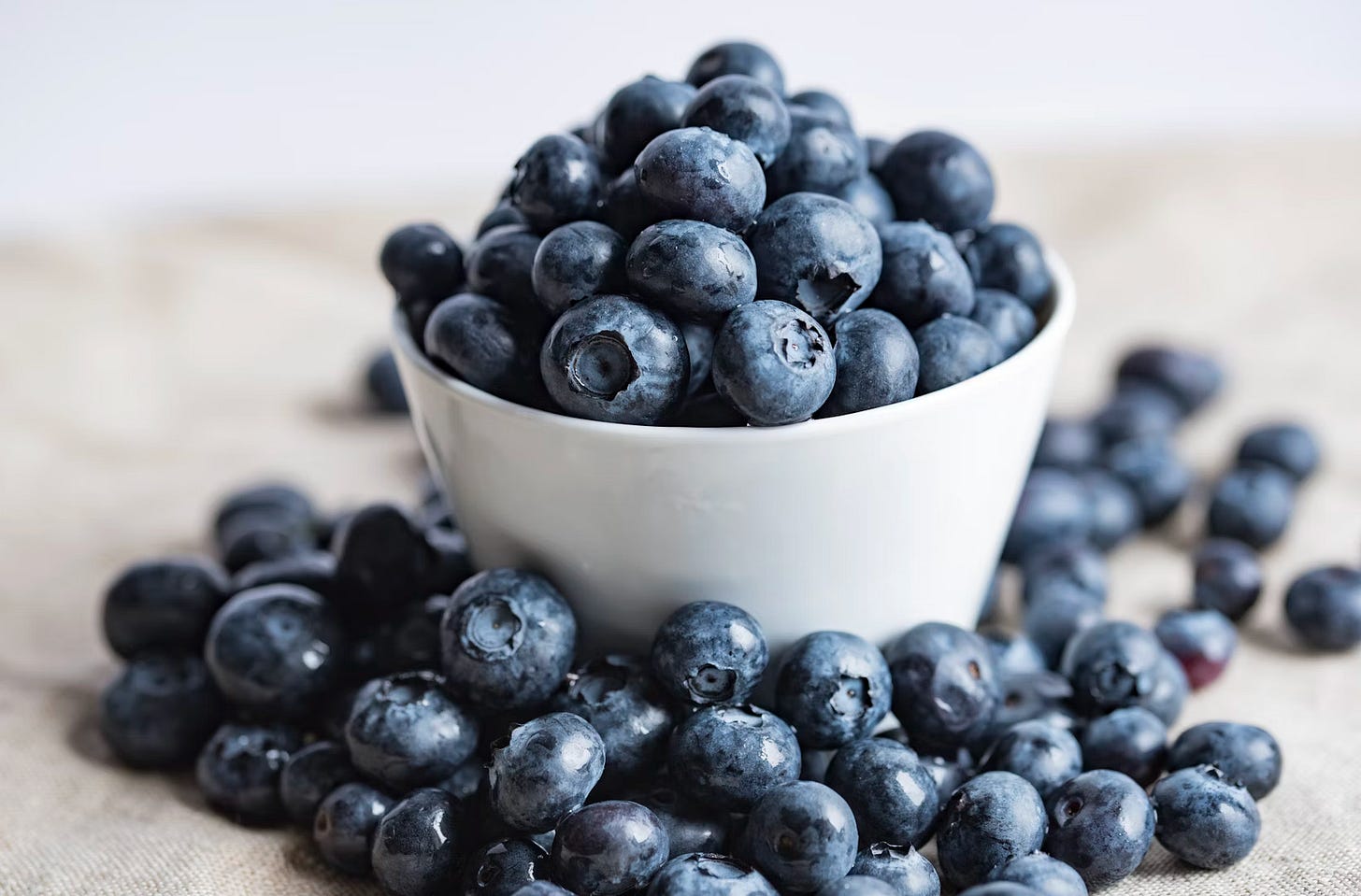
Wake up. 500ml water. Blueberries. Like clockwork.
7. Extra Virgin Olive Oil: Liquid Gold
Three tablespoons daily. Raw when possible.
The PREDIMED trial (yes, again) found 30% cardiovascular risk reduction with extra virgin olive oil. Not refined. Not “light.” Extra virgin.
Oleocanthal, a phenolic compound, has anti-inflammatory effects rivalling ibuprofen at high doses.
Hydroxytyrosol protects LDL from oxidation. Your arteries literally age slower.
Heat destroys some compounds, so I drizzle it on finished dishes. Salads. Soups. Even yoghurt.
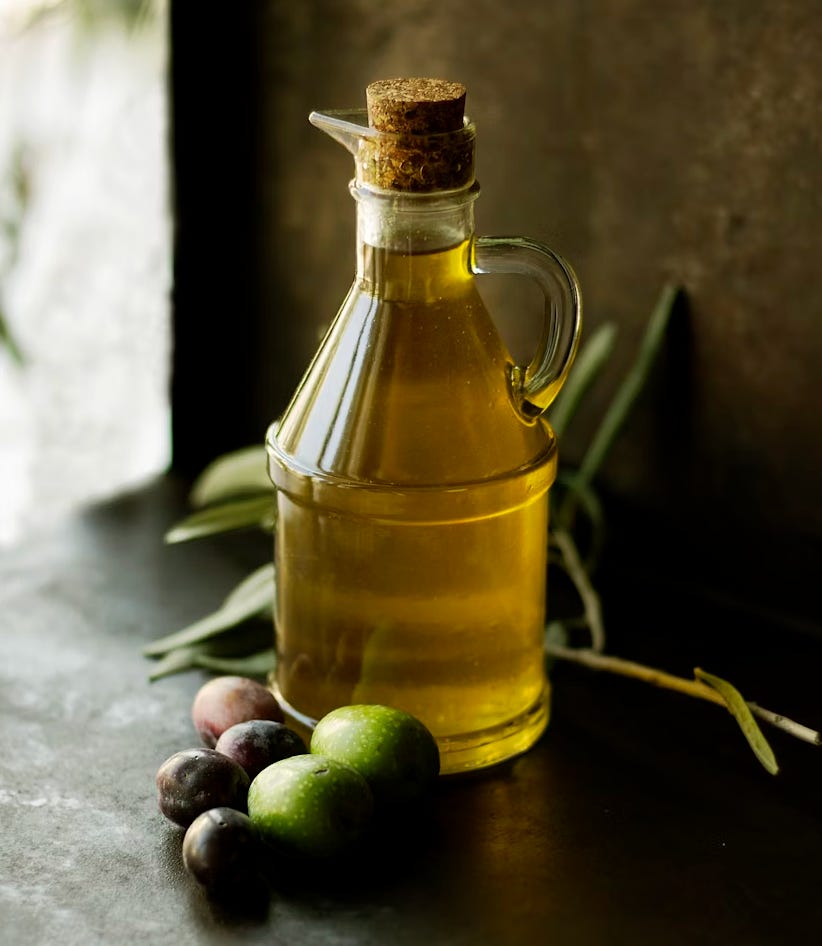
1-2 tablespoons routine like brushing teeth
8. Sweet Potatoes: The Sensible Carb
Three times weekly. Skin on.
Beta-carotene content crushes regular potatoes…11,500 IU per medium potato.
But the glycemic index sells it for me. Sweet potatoes cause gradual glucose rises, not spikes.
Natures prebiotic – Your gut bacteria ferment the resistant starch, producing butyrate…fuel for colon cells and a potent anti-inflammatory compound.
Roasted. Mashed. Baked. Just keep the skin. That’s where the fibre lives.
Tasty too!
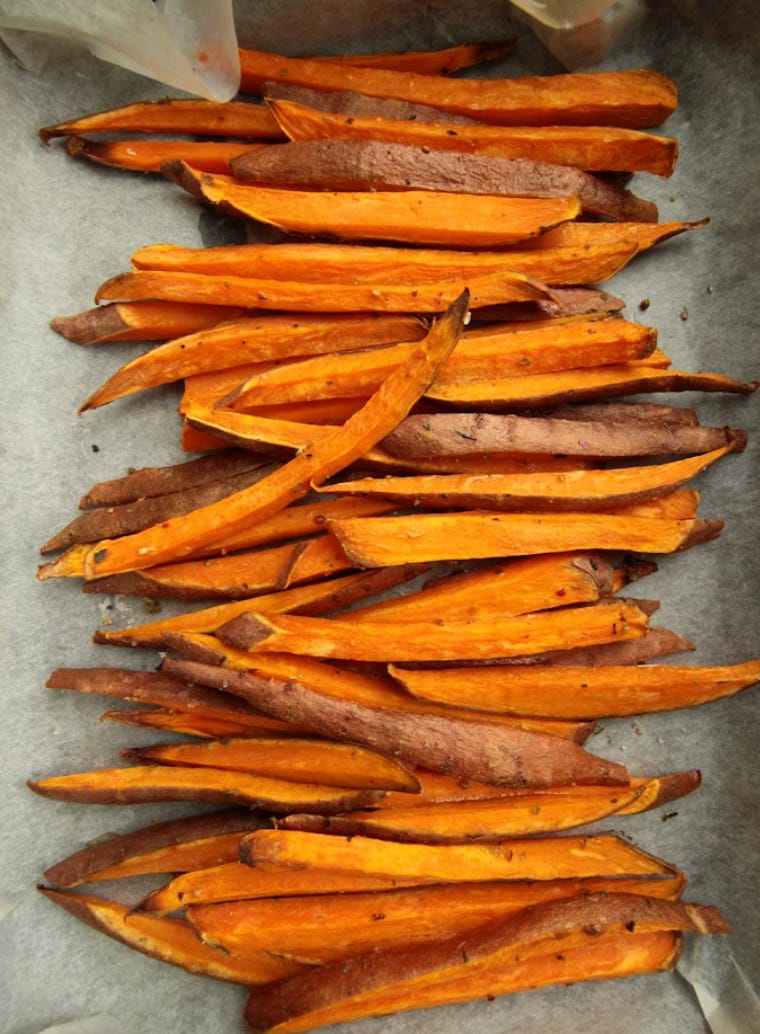
Healthy chips?? Depends on how you heat/fry it!
9. Cruciferous Vegetables: Eat your damn vegetables!
Broccoli. Brussels sprouts. Cauliflower. Kale.
The glucosinolates in cruciferous vegetables convert to isothiocyanates…compounds with legitimate anti-cancer properties. Population studies consistently show reduced colorectal cancer risk with regular consumption.
Gas and bloating? That’s the fibre and raffinose fermenting. Your gut bacteria are literally feasting. Start small. Build tolerance.
The vitamin K, folate, and vitamin C are bonuses. The sulforaphane in broccoli sprouts? Twenty times higher than mature broccoli.
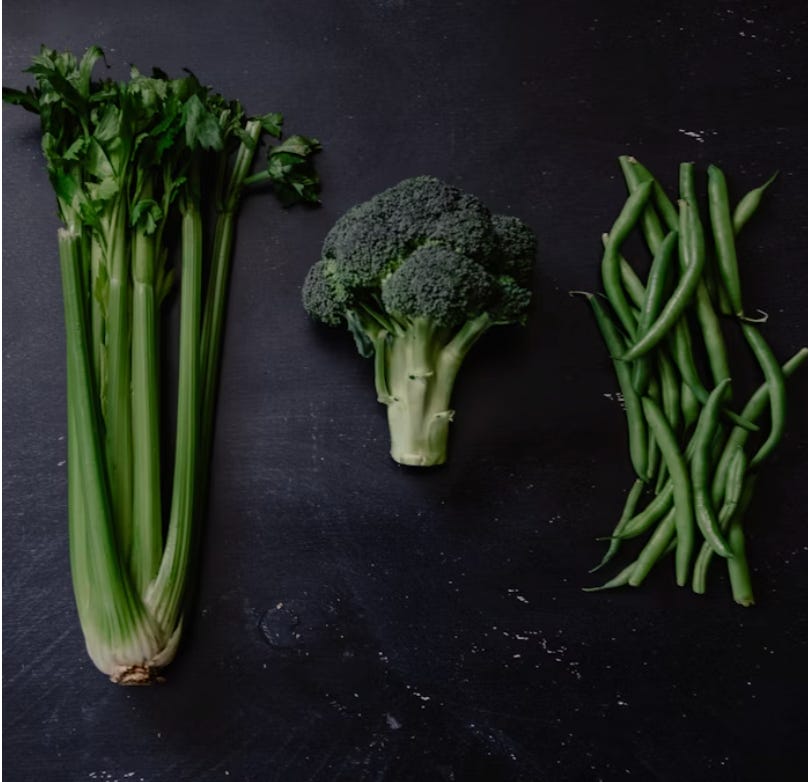
Eat. Your. Damn. Vegetables.
10. Kefir: Fermentation’s Champion
One to three times weekly. Small amounts.
Kefir contains 30+ probiotic strains versus yoghurt’s 2-3.
Lots of research: Improved lactose digestion. Enhanced immune function. Reduced inflammatory markers.
Too much kefir can overwhelm your system. Start with 100ml. Build slowly.
If you are going to pick a fermented food, kefir is the most researched!

Gotta hear the fizz!
11. Eggs: The Redemption Story
Remember when eggs were villains? The cholesterol panic had us eating sad egg-white omelettes for decades. oh dear!
Then the research caught up.
A 2020 Harvard analysis of 177,000 people found no association between egg consumption and cardiovascular disease.
None.
The PURE study across 50 countries? Same conclusion.
Your liver produces 80% of your cholesterol anyway. Dietary cholesterol barely moves the needle.
What eggs actually deliver: complete protein with all nine essential amino acids. Choline for brain health (one egg provides 30% of daily needs). Lutein and zeaxanthin for eye protection. Vitamin D, B12, selenium.
The yolk holds the nutrients. Throwing it away? That’s the real crime.
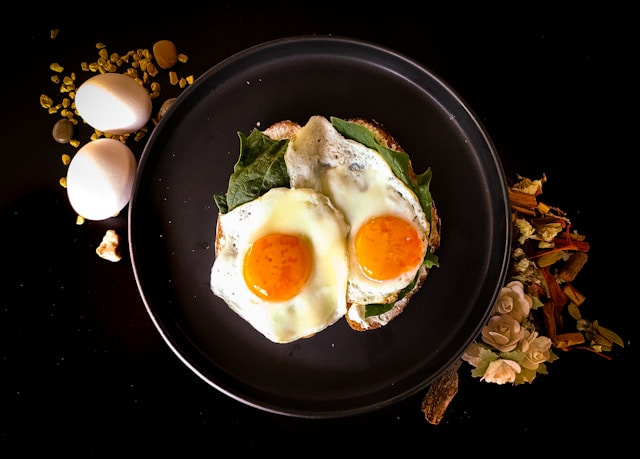
A breakfast for a champion
I’m hungry now
Well there it is….what I eat.
Foods with enough evidence that I’ve made them habits.
Some days I skip the kiwis. Sometimes salmon becomes tinned tuna.
Greek yoghurt occasionally gets missed off the shopping list.
Perfection is NOT the goal. Consistency is.
Small choices compound. A handful of nuts here. Some berries there. Dark chocolate after dinner. These tiny decisions shape our long-term health far more than any dramatic dietary overhaul.
Your gut will thank you. Your arteries will thank you.
Start with one. Make it routine. Then add another.
That’s how lasting change happens.
Struggling with liver or gut issues that affect your daily life? Invest in your gut health with a private, personalised consultation where I will explore your specific symptoms and develop a targeted treatment plan. Take the first step toward digestive wellness today: https://bucksgastroenterology.co.uk/contact/
References
- Gearry R, et al. Kiwifruit for constipation: A systematic review and meta-analysis. Aliment Pharmacol Ther. 2023;58(5):450-461.
- Estruch R, et al. Primary prevention of cardiovascular disease with a Mediterranean diet supplemented with extra-virgin olive oil or nuts. N Engl J Med. 2018;378:e34.
- Hooper L, et al. Effects of chocolate, cocoa, and flavan-3-ols on cardiovascular health. Am J Clin Nutr. 2024;119(3):756-769.
- Rimm EB, et al. Marine omega-3 fatty acids and cardiovascular disease. N Engl J Med. 2018;379:1691-1699.
- Chen M, et al. Dairy consumption and risk of type 2 diabetes: systematic review and meta-analysis. BMJ. 2024;378:e068909.
- Miller MG, et al. Dietary blueberry improves cognition among older adults. Nutr Neurosci. 2023;26(4):303-312.
- Guasch-Ferré M, et al. Olive oil consumption and cardiovascular risk in U.S. adults. J Am Coll Cardiol. 2024;83(8):729-739.
- Atkinson FS, et al. International tables of glycemic index values 2021. Diabetes Care. 2021;44(10):2281-2289.
- Zhang Y, et al. Cruciferous vegetable consumption and colorectal cancer risk. Cancer Epidemiol. 2023;87:102465.
- Bourrie BCT, et al. The microbiota and health promoting characteristics of kefir. Front Microbiol. 2024;15:1289456.
- Drouin-Chartier JP, et al. Egg consumption and risk of cardiovascular disease: three large prospective US cohort studies. BMJ. 2020;368:m513.
- Dehghan M, et al. Association of egg intake with blood lipids, cardiovascular disease, and mortality in 177,000 people in 50 countries. Am J Clin Nutr. 2020;111(4):795-803.
General Disclaimer
Please note that the opinions expressed here are those of Dr Hussenbux and do not necessarily reflect the positions of Buckinghamhsire Healthcare NHS Trust. The advice is intended as general and should not be interpreted as personal clinical advice. If you have problems, please tell your healthcare professional, who will be able to help you.