

Protecting your liver, guts and arteries….one e-mail at a time
Every week I sit across from patients who tell me about their “comfort foods” and weekend treats.
The chocolate digestives after dinner. The (every) Friday night takeaway. The energy drinks that get them through the afternoon slump.
I don’t judge. Life is hard enough.
However, after spending my career looking inside people’s digestive systems, I’ve realised some foods are actively working against us.
We’re only just beginning to understand the mechanisms; from gut bacteria that take generations to recover once they’re gone, to liquid sugars that bypass our body’s natural satiety signals entirely.
Here are the foods I try to avoid – and why you might consider doing the same.
P.S. Within the list I added one food I actually do eat….see if you can find it!
Disclaimer: Yeh, yeh, I know….who called The Fun Police?? Please note, having the rare/occasional food and drink on this list is unlikely to have an immediate negative impact on your health. However, it is the regular consumption that leads to the negative impact on health.
1. Sugary drinks
They top my avoid list for good reason.
A 2024 study published in Nature Medicine found that sugary drinks alone cause 2.2 million new diabetes cases and 1.2 million new cardiovascular disease cases annually worldwide.
Let me repeat that: liquid sugar is responsible for over three million serious health conditions each year.
When you drink sugary drinks (sodas, energy drinks, fruit juices), it bypasses your body’s natural hunger controls entirely.
Solid food triggers satiety hormones that tell your brain “I’m full.” Liquids (sort of) don’t.
They’re also absorbed faster, delivering a concentrated hit of fructose to your liver that it simply can’t process efficiently.
Each additional sugary drink per day increases your diabetes, fatty liver and cardiovascular disease risk significantly. And unlike other foods where the dose makes the poison, there appears to be no safe level.

35g of sugar….9 teaspoons
2. Processed meats
Bacon, sausages, and deli meats sit in the same carcinogenic category as tobacco.
Before you panic….that doesn’t mean they’re equally dangerous, just that the evidence for cancer-causing potential is equally strong.
The WHO’s classification is based on analysis of over 800 epidemiological studies across multiple continents.
Every 50g of processed meat daily (that’s roughly two slices of bacon) increases colorectal cancer risk by 18%. The culprits are nitrites and nitrates; preservatives that form carcinogenic N-nitroso compounds when heated or digested.
A 2022 French study following 106,000 people found that nitrites from food additives also increase hypertension risk.
The sodium content doesn’t help either…a single serving can contain 25% of your recommended daily intake.
Processed meats are high in salt and saturated fat.
The industrial processing creates entirely new compounds your body wasn’t designed to handle. Heterocyclic amines from high-temperature cooking, advanced glycation end products from curing, and nitrosamines all promote oxidative stress and cellular damage.
Fresh meat shows significantly lower associations with disease risk. The processing is the problem.

Stick to fresh meats
3. Fried foods
Trans fats negatively affect your cholesterol AND they hijack a specific enzyme in your liver to create sphingolipids that directly promote atherosclerotic plaques.
Just 2% of your daily calories from trans fats increases cardiovascular risk significantly.
They simultaneously raise “bad” LDL cholesterol and lower “good” HDL cholesterol more aggressively than any other dietary fat.
Canola oil (often marketed as healthy) produces the highest levels of harmful substances when heated. Palm oil, despite its reputation, actually produced the least. The more unsaturated the oil, the more it degrades under high heat.
The practical “takeaway” (haha see what I did there)? Restaurant deep-frying uses oils heated to extreme temperatures, often recycled multiple times. That’s a perfect storm for trans fat formation and oxidised compounds that trigger systemic inflammation.

I’m sorry Colonel
4. Too much red meat
May be associated with an increased colorectal cancer risk.
A 2025 meta-analysis confirmed there’s a linear dose-response relationship up to about 140g daily, then it plateaus. Unprocessed red meat shows much weaker associations with disease than processed varieties.
The mechanism involves heme iron, which stimulates formation of carcinogenic compounds in your gut, plus heterocyclic amines from high-temperature cooking.
IMPORTANT: A grass-fed steak grilled lightly once a week carries very different risks than daily consumption of well-done burgers.
The current evidence suggests 350-500g weekly maximum (roughly three moderate portions). Quality over quantity.
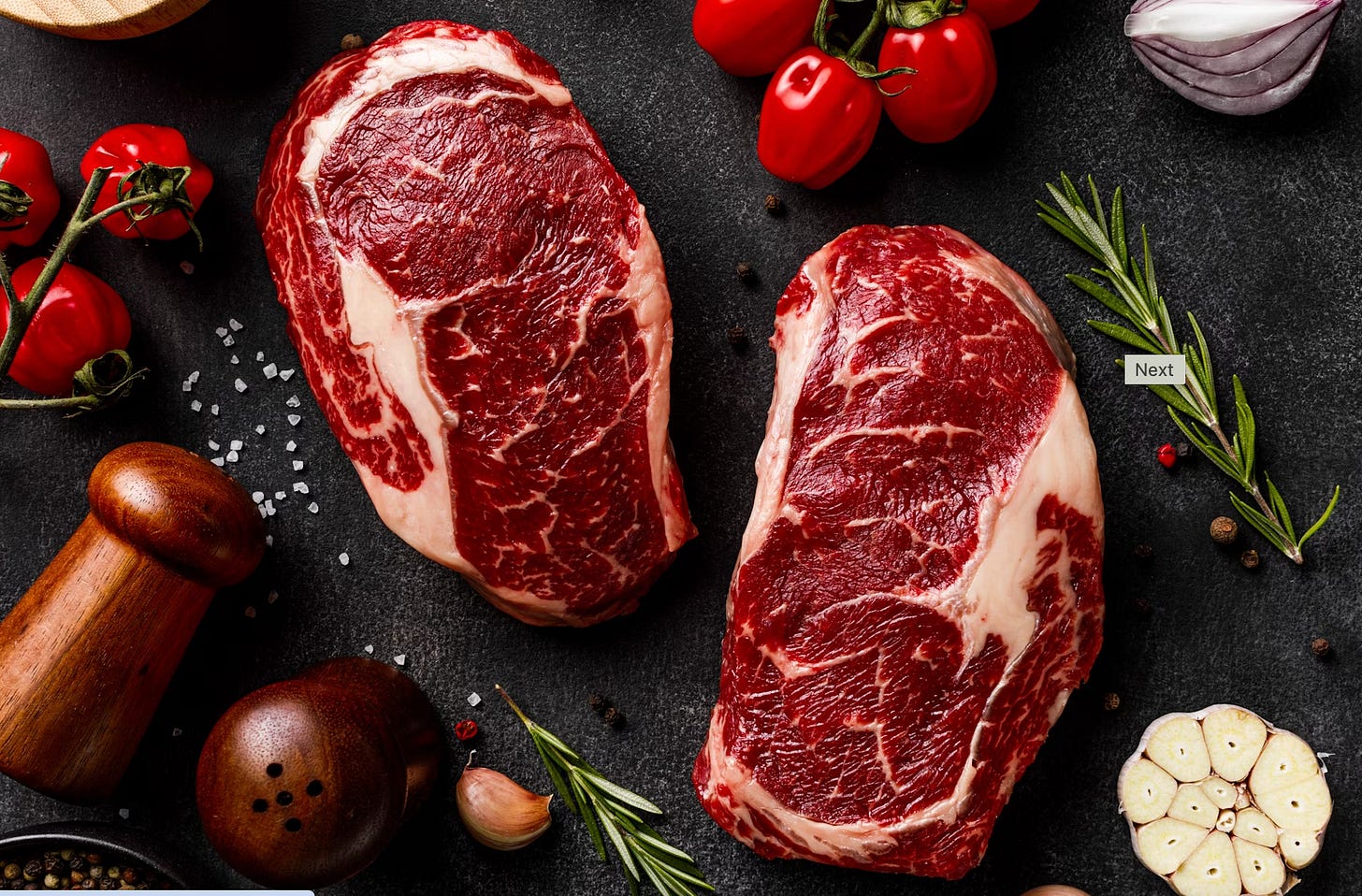
Choose high quality red meat and eat within moderation
5. Pastries and baked goods
Doughnuts, cakes, and commercial pastries are sugar bombs with zero redeeming nutritional features.
Australian research found that commercial biscuits contain up to 52.5g sugar per 100g…that’s more than half sugar by weight. Cakes average 27g per 100g.
They’re confectionery masquerading as breakfast or snacks.
High-sugar baked goods spike blood glucose to 180-250 mg/dL within 30 minutes, triggering a 3-5 fold insulin response. Do this repeatedly and your cells literally stop listening to insulin’s signals. The hallmarks of Diabetes
The CARDIA study following people for 30 years found that each teaspoon of added sugar daily led to 0.11kg weight gain and 0.08cm increase in waist circumference. Compound that over years, and you’re looking at significant metabolic consequences.
These are textbook “empty calories”; energy with essentially no vitamins, minerals, fibre, or protein. They crowd out nutritious foods while providing nothing your body actually needs.

Small amounts for special occasions
6. Ready meals: convenience at what cost?
Ultra-processed ready meals carry a significantly increased cardiovascular mortality risk.
The 2024 umbrella review analysing 45 meta-analyses and 10 million people found that ready-to-eat meals consistently ranked among the most harmful ultra-processed foods. They’re engineered for hyperpalatability, which means they’re designed to override your natural satiety signals.
The salt levels are often 2-3 times recommended levels.
High salt, added sugars, industrial fats, plus preservatives and stabilisers that alter your gut microbiome.
British research found ready meals had significantly higher free sugar levels than home-cooked equivalents.
You’re actively consuming foods that promote disease.
7. Too much carbohydrates
Excessive refined carbs without fibre cause potentially irreversible gut damage.
Low-fibre diets cause massive gut bacterial disruption Within two weeks of fibre deprivation, over 75% of bacterial species decline. Within 3-4 generations, key species may go extinct entirely (according to research in Stanford)
Once they’re gone, they can’t come back. Not with probiotics, not with fibre supplements, not with perfect eating. We’re creating a biological legacy of damage that affects our children’s children.
Fibre-starved bacteria begin digesting your protective mucus layer instead. This allows pathogenic bacteria direct access to your intestinal wall, promoting inflammation and increasing infection susceptibility.
Meanwhile, refined carbs cause their own problems. Each 50g increase in refined carbohydrates correlates with 0.8kg weight gain over a year, plus a 40% higher obesity risk in long-term studies.
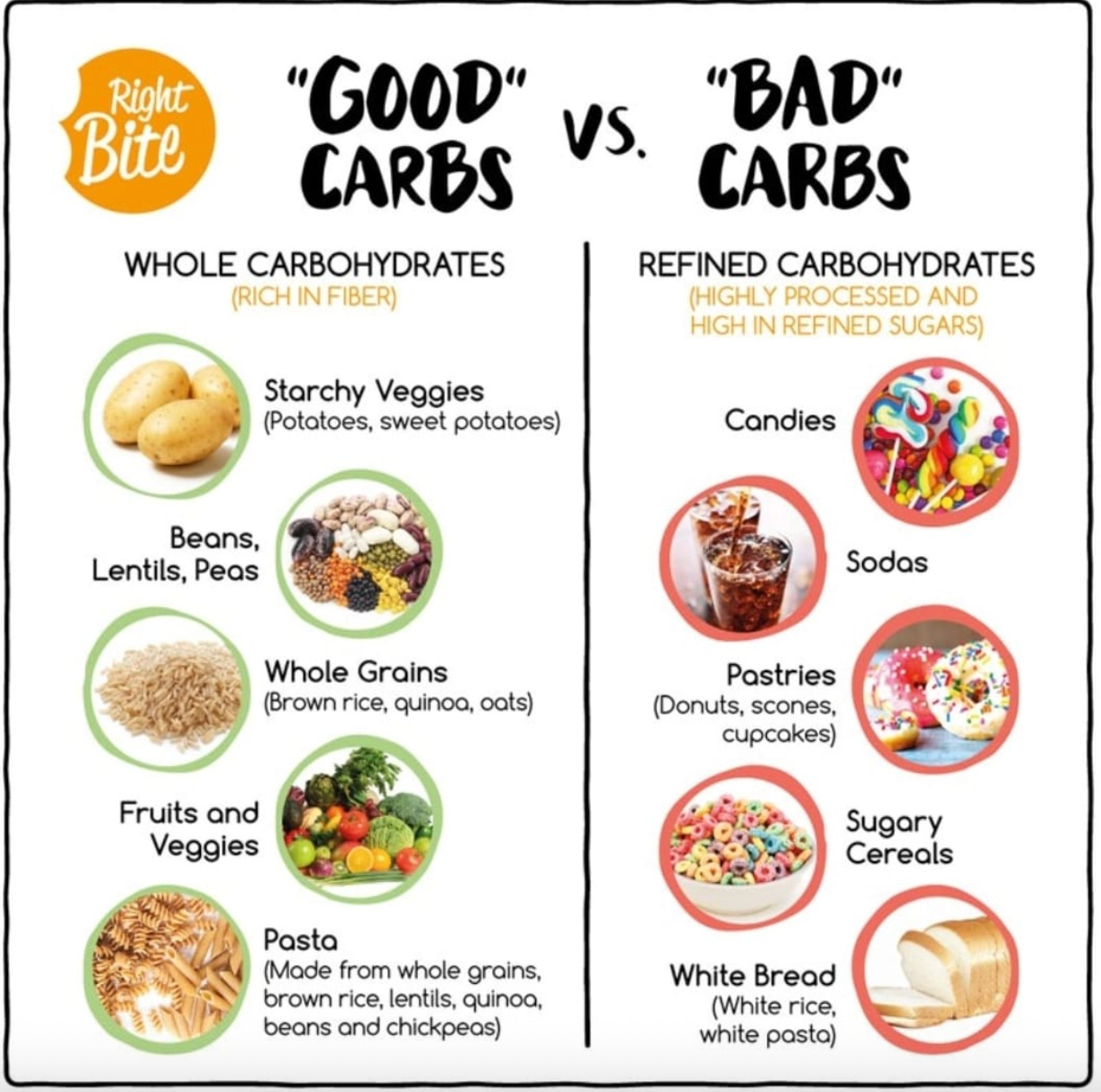
https://rightbite.com/en-ae/blog/what-happens-when-you-quit-carbs-for-1-week
8. Heavy cream and full fat dairy (clickbait)
Thought I would hide this curveball here….(sorry, not sorry)
A 2025 systematic review of 9 randomised controlled trials found no significant reduction in cardiovascular mortality from saturated fat restriction.
None.
Swedish research following 4,150 people for 16 years found that higher dairy fat biomarker levels were actually linked to the lowest cardiovascular disease risk.
Fermented dairy products show anti-inflammatory effects despite their saturated fat content.
Dairy contains protective compounds…..medium-chain fatty acids, vitamin K2, calcium, probiotics…..I wonder whether they offset any potential harm from saturated fats.
This doesn’t mean unlimited cream is healthy, but it suggests the relationship between dairy fat and disease is far more complex than we thought.
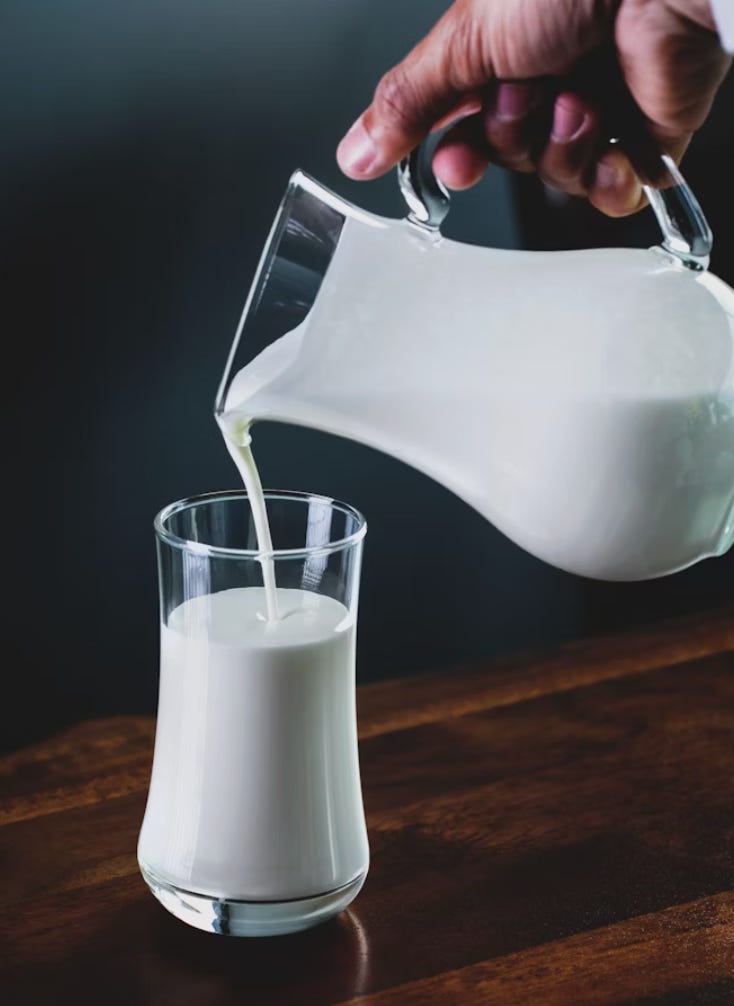
drink up!
9. Processed snacks
Most processed snacks are salt bombs, but some exceptions exist.
The latest Lancet study following 200,000 Americans found that processed snacks were among the most harmful ultra-processed food subgroups, increasing cardiovascular disease risk by 11%.
But here’s the surprise: whole-grain crackers and air-popped popcorn actually showed protective associations.
Potato chips form acrylamide during high-heat cooking…a possible carcinogen. They’re also typically fried in oils that degrade into trans fats and inflammatory compounds.
But the bigger issue is behavioural. Processed snacks are engineered for overconsumption through specific combinations of salt, fat, and crunch that trigger reward pathways in your brain. They’re literally designed to be addictive.

Once you pop….you better stop!
10. Canned foods
Over 70% of our sodium comes from processed and packaged foods.
The average person consumes 3,400mg sodium daily…48% above recommendations.
Canned soups, vegetables, and convenience foods are major contributors, often containing 25% of daily sodium limits in a single serving.
The cardiovascular consequences are immediate and long-term. Each 1,000mg sodium increase correlates with 6% higher cardiovascular disease risk, 17% higher stroke risk, and 23% increased heart failure risk.
Sodium attracts water, increasing blood volume and forcing your heart to work harder. Over years, this causes arterial stiffening, kidney damage, and progressive cardiovascular dysfunction.
The preservatives don’t help either. Sodium nitrates in canned meats convert to potentially carcinogenic compounds. BPA in can linings (though many are now BPA-free) disrupts hormonal function.

Pay attention to the salt
The path forward is NOT perfection
I’m not suggesting you never enjoy birthday cake or share fish and chips with friends.
Life needs joy, and food is part of that.
But armed with this evidence, you can make informed choices.
Maybe that afternoon energy drink becomes sparkling water with lemon.
Perhaps Sunday bacon becomes weekend smoked salmon.
Small changes compound over time.
The fundamentals discussed are backed by decades of consistent research across millions of people.
Test when possible. Seek professional guidance for specific health conditions. Start with small, sustainable changes.
Your future self will thank you.
Struggling with liver or digestive issues that affect your daily life? Invest in your gut health with a private, personalised consultation where I will explore your specific symptoms and develop a targeted treatment plan. Take the first step toward digestive wellness today: https://bucksgastroenterology.co.uk/contact/
References:
- Nature Medicine (2024): Global burden of diabetes and cardiovascular disease attributable to sugar-sweetened beverages
- European Heart Journal (2023): Meta-analysis of processed meat and cardiovascular disease
- GeroScience (2025): Comprehensive meta-analysis of processed meat and colorectal cancer risk
- Lancet Regional Health (2024): Ultra-processed foods and cardiovascular disease in US adults
- PLOS Medicine (2021): Dairy fat biomarkers and cardiovascular disease risk
- Nature Microbiology (2021-2024): Microbiome impacts of fiber deficiency across generations
- Journal of the American Heart Association (2025): Saturated fat restriction meta-analysis
- Nutrients (2021): Sugar-sweetened beverages and type 2 diabetes meta-analysis
- British Journal of Nutrition (2023): Ready meal nutritional analysis
- CARDIA Study (2023): 30-year longitudinal analysis of added sugar and weight gain
General Disclaimer
Please note that the opinions expressed here are those of Dr Hussenbux and do not necessarily reflect the positions of Buckinghamhsire Healthcare NHS Trust. The advice is intended as general and should not be interpreted as personal clinical advice. If you have problems, please tell your healthcare professional, who will be able to help you.