
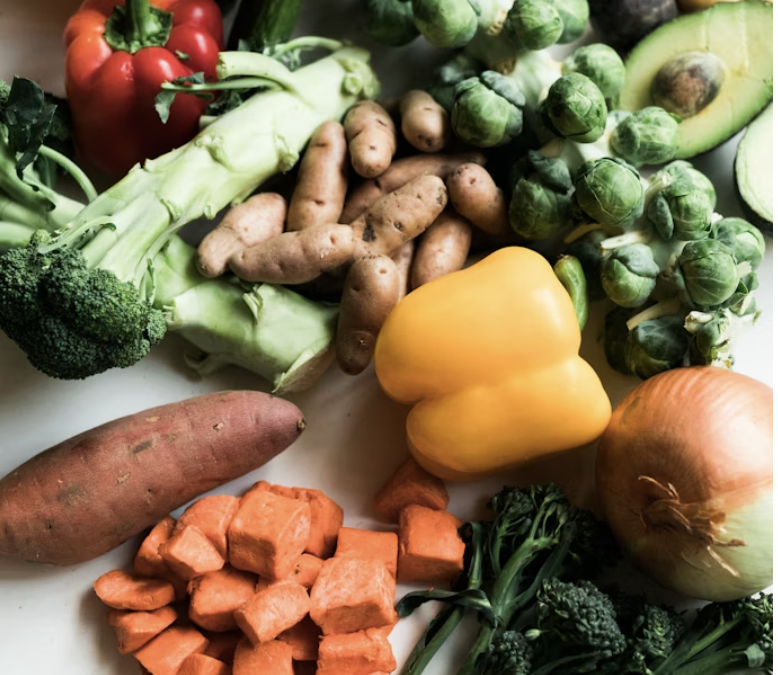
Fibre is often the most discussed topic in gastroenterology for good reason. It is the part of plants the body cannot digest, passing through the stomach and small intestine largely intact. It reaches the large intestine whole, and that is where the magic happens.
Think of it as food for gut bacteria. The trillions of microbes living in the colon feast on fibre, producing beneficial compounds in return. Currently, over 90% of adults do not get enough of it. Most people eat around 15g daily when the goal is 25-30g. That is a gap worth closing.
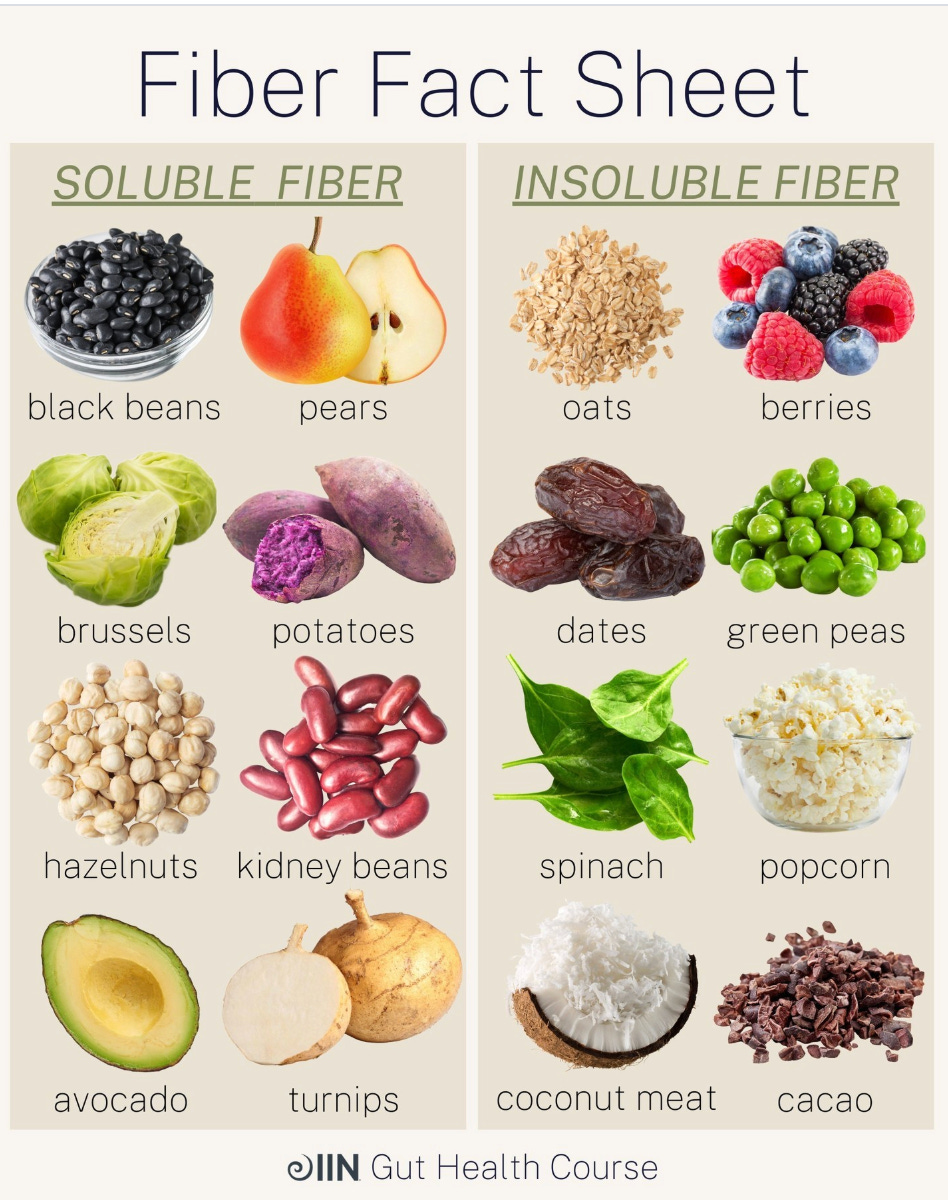
Soluble vs insoluble fibre
There are two main types of fibre, and both play different roles in gut health:
-
Soluble fibre: Dissolves in water to form a gel-like substance. It slows digestion, helps control blood sugar, and binds to cholesterol. Find it in oats, apples, beans, and psyllium husk.
-
Insoluble fibre: Does not dissolve. It adds bulk to the stool and speeds things along. Find it in wheat bran, vegetables, and whole grains.
Managing bloating and gas
Some high-fibre foods contain raffinose, a complex sugar humans cannot digest. Gut bacteria do the job instead, producing gas in the process. Beans, cabbage, Brussels sprouts, and broccoli are the usual suspects.
This does not mean avoiding them. It means introducing them gradually. Usually, within 2-4 weeks, the bloating settles as the therapeutic relationship between the gut and these new fibrous additions stabilizes.
Three reasons to prioritise fibre
Evidence backs these three major benefits for long-term health:
-
Stool regulation: A 2022 meta-analysis of 16 randomised controlled trials found fibre supplementation improved constipation. The response rate reached 66% in fibre groups versus 41% on placebo. Stool frequency increased and consistency improved.
-
Gut microbiome: Gut bacteria ferment fibre into short-chain fatty acids (SCFAs), particularly butyrate. Butyrate fuels colon cells, maintains the gut barrier, and reduces inflammation. Research shows fibre increases beneficial Bifidobacterium and Lactobacillus species.
-
Cancer risk reduction: A landmark study of nearly 2 million participants found every 10g of daily fibre reduced colorectal cancer risk by 10%. Faster transit time means less carcinogen exposure, while butyrate inhibits tumour cell growth.
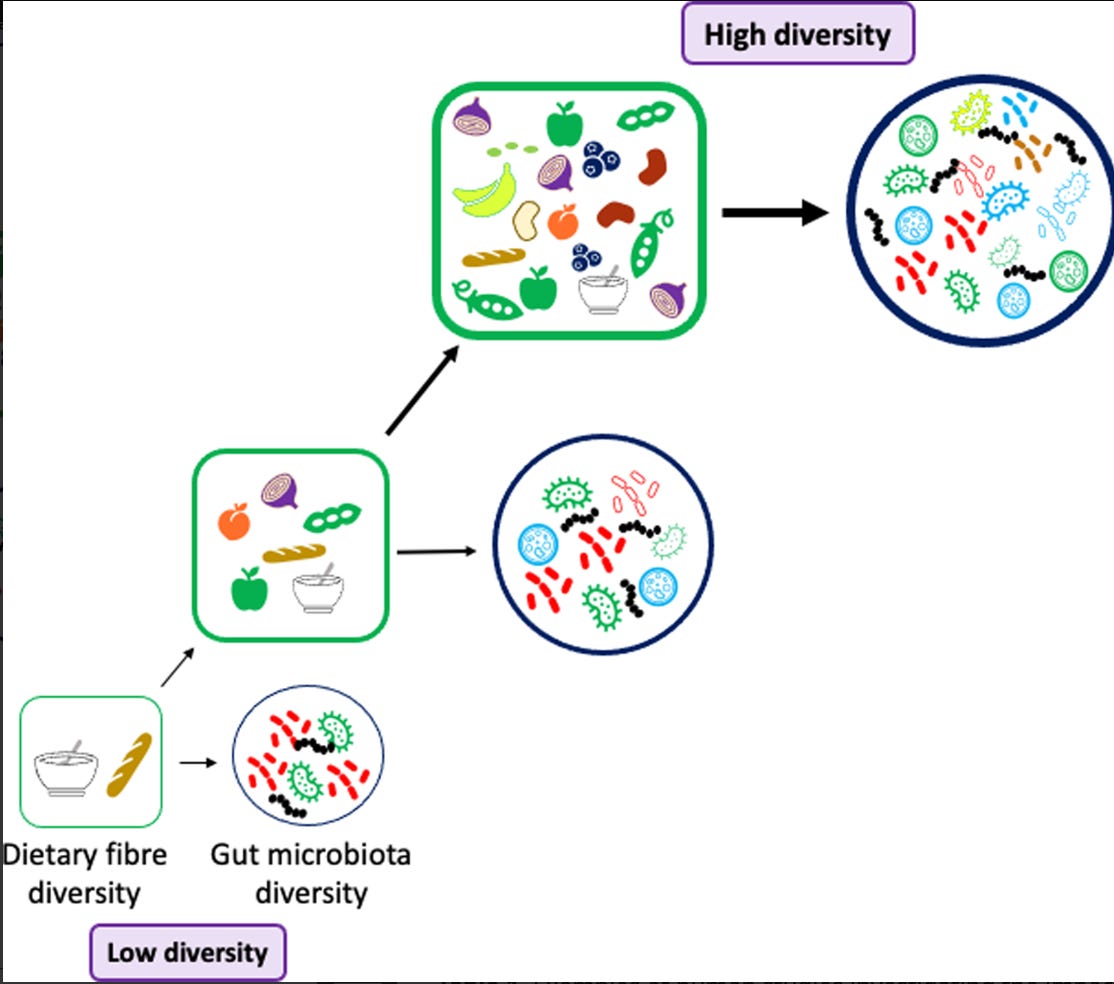
https://www.cambridge.org/core/journals/proceedings-of-the-nutrition-society/article/interactions-between-dietary-fibre-and-the-gut-microbiota/0BEF28B809F38D02AC0B1D4E4990210C
How to start a high-fibre diet
Going from 15g to 30g overnight is a recipe for discomfort. Instead, increase intake by 2-3g every few days. Spread this across meals and drink 1.5-2 litres of water daily to give the gut time to adapt.
Start with gentler options like oats, cooked vegetables, and psyllium. Save the beans and raw cruciferous vegetables for later once the system adjusts.
https://www.instagram.com/nutritionschool/
Why psyllium husk is the gold standard
If there is one fibre supplement to recommend, it is psyllium husk. Psyllium is unique because it is soluble, gel-forming, and non-fermenting. Most soluble fibres get rapidly broken down by gut bacteria, producing gas. Psyllium resists this.
An MRI study published in Gut found psyllium caused five times less colonic gas than inulin. Less gas means less bloating. The American College of Gastroenterology now recommends psyllium as the only fibre supplement with sufficient evidence for chronic constipation.
How to take psyllium husk
Mix one teaspoon (5g) of psyllium husk powder in a large glass of water (250-300ml). Stir vigorously and drink immediately before it gels. Follow this with another glass of water.
- A simple recipe: Add one teaspoon to morning porridge after cooking. Stir well and top with berries. The taste is unnoticeable, but the gut will feel the difference.
- Critical warning: Never take psyllium without adequate liquid. It absorbs water, and without enough fluid, it can cause obstruction. Always drink plenty of water.
Book a consultation with Dr Hussenbux
Fibre is finally getting the limelight it deserves. The evidence is clear: better bowels, healthier gut bacteria, and reduced cancer risk. Sometimes the simplest solutions are the best ones.
To discuss digestive health further or to address specific concerns, book a consultation with Dr Hussenbux today.