

Helping your gut life balance
Christmas!
A time for family, friends, and frankly….too much food.
Suddenly you’re navigating a minefield of mince pies, mulled wine, and your aunt’s legendary trifle.
Gut health always matters! I have spent the last 6 months writing about gut health on Substack and I spend my career looking inside people’s digestive systems, so I would say that.
In my opinion, Christmas is the time for enjoying yourself with your loved ones (not perfection).
This article is about balance.
How to indulge mindfully, move joyfully, and enter the new year without guilt (or a gastroenterology referral….)
Disclaimer: Wow, who called the Grinch?? Let me be clear from the start….I don’t want to come across patronising or restrictive in this article. Christmas is yours, so enjoy it. Ultimately, you can do as you like. Even if you decide to go full send on the 25th, this guide is about being mindful, not guilty. No judgement here. Just a few thoughts to help you feel good while having a good time.
The Christmas Dinner
Good news: most of what’s on your plate is actually working with you.
Turkey
The centrepiece deserves its place. Turkey is high in protein, low in fat, and packed with B vitamins (particularly B6 and B12) plus minerals like selenium and zinc.
A 26-year prospective study in Gut journal found that substituting one daily serving of red meat with poultry was associated with a 20% lower risk of diverticulitis.
And the post-dinner sleepiness everyone blames on turkey’s tryptophan? A myth. Turkey contains similar tryptophan levels to chicken, beef, and even cheddar cheese. The real culprits are the mountain of carbohydrates, the overeating, and possibly….the wine.
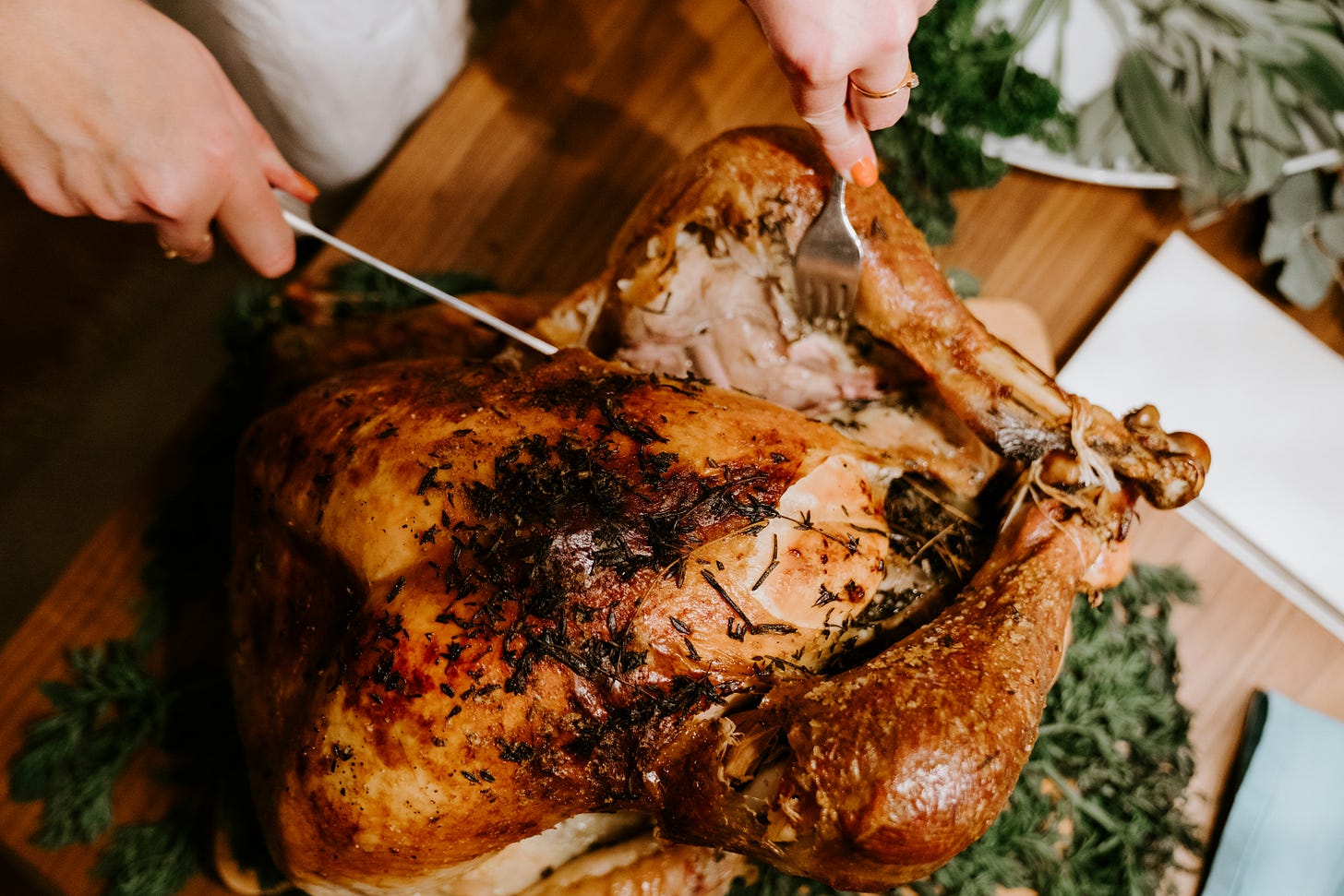
tuck in to turkey!
Brussels Sprouts
Ah yes. Everyone’s favourite gaseous enemy.
But hear me out. These little green powerhouses contain more vitamin K than almost any other vegetable (175-270% of your daily needs per cup), plus vitamin C rivalling oranges. They’re rich in antioxidants including sulforaphane and kaempferol; compounds with genuine anti-inflammatory and potentially cancer-protective properties.
A 12-week randomised controlled trial found that sulforaphane (from cruciferous vegetables) significantly improved fasting glucose and HbA1c in patients with poorly controlled diabetes. Another RCT showed an 18% reduction in fasting insulin after just four weeks of broccoli sprout consumption.
Now, the elephant in the room. Gas.
Brussels sprouts contain raffinose…a complex sugar we can’t digest. It passes to our colon where bacteria ferment it, producing….well, you know. The glucosinolates (sulfur compounds) add that distinctive aroma.
This fermentation is basically prebiotic activity. Your gut bacteria are being fed. That’s a good thing….even if your family might temporarily disagree.
Pro tip: Roasting reduces gas-producing compounds while actually increasing beneficial isothiocyanates. Win-win.
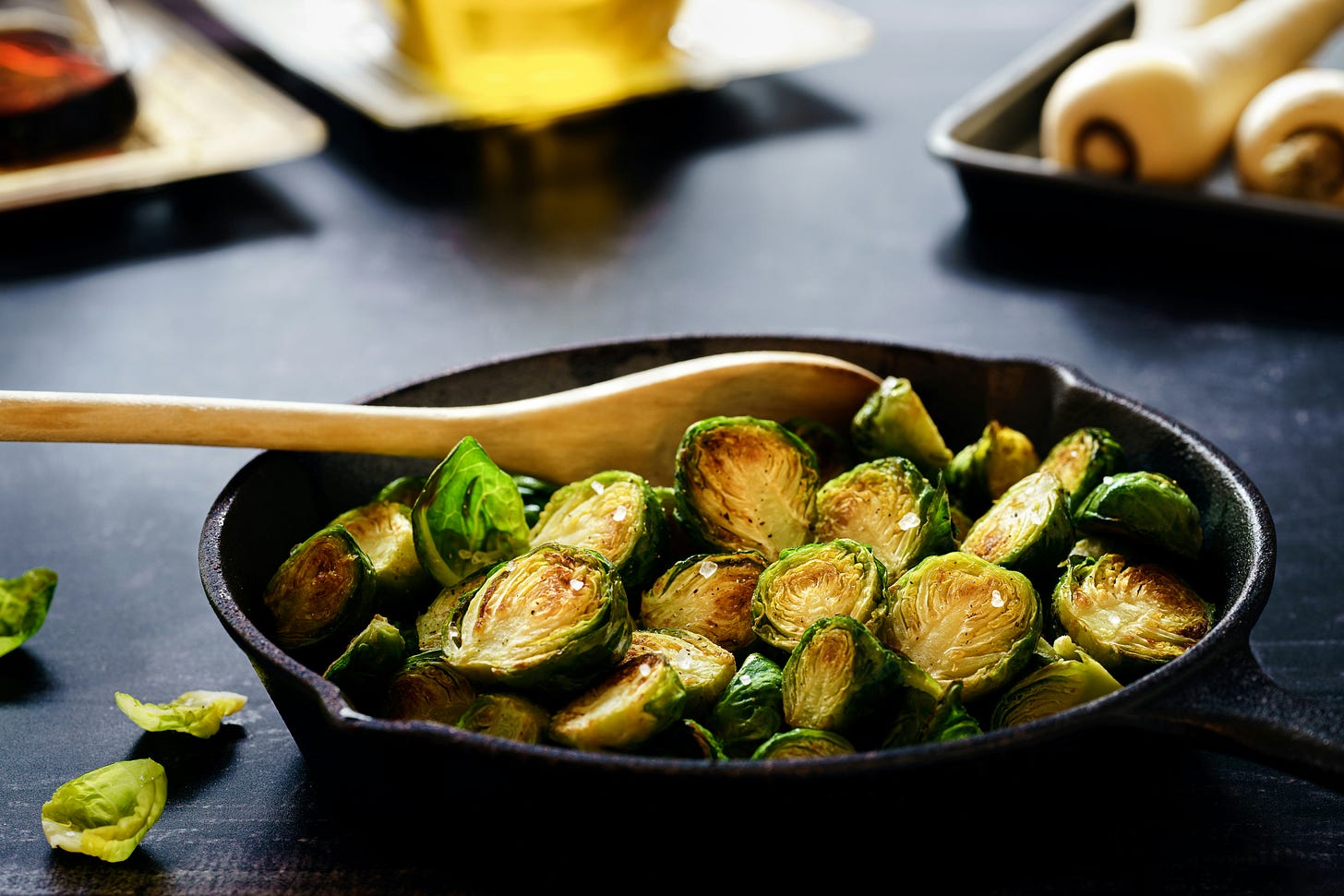
Try to tuck in
Roast Potatoes
The unsung hero. Potatoes contain more potassium than bananas and are a surprisingly good source of vitamin C and B6.
When potatoes are cooked and then cooled, the starch molecules realign and form resistant starch; a type of fibre that resists digestion and feeds your beneficial gut bacteria.
Research shows cooling reduces glycaemic index by 25-40%. Your gut bacteria ferment this resistant starch into butyrate; the preferred fuel for your colon cells.
Sooo….leftover roast potatoes on Boxing Day are actually better for you.
You’re welcome.
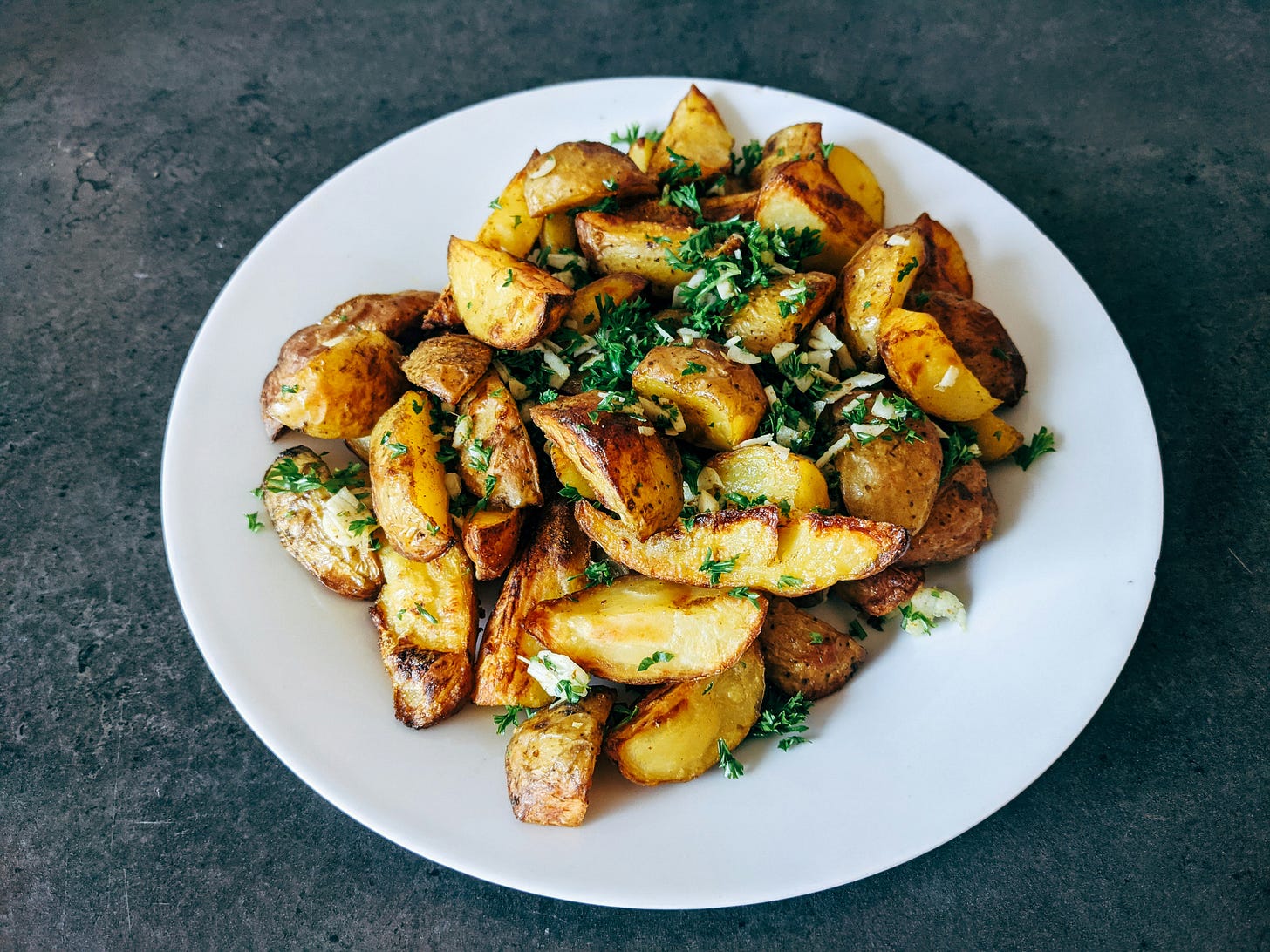
Boxing day grub
A Word on Alcohol
Full disclosure: I don’t drink. Personal choice (just calling out my bias)
But I’m not naive. Christmas and alcohol go together like….well, Christmas and alcohol.
It’s a social lubricant, and it will likely be flowing. I’m not here to lecture.
An observational study in Gastroenterology found that red wine drinkers had greater gut microbiome diversity compared to non-drinkers. The benefit is attributed to polyphenols, not the alcohol itself. Important caveat: this shows association, not causation, and the authors don’t recommend non-drinkers start drinking. (I get quoted this study a LOT….I would take it with a pinch of salt personally. There are far better ways to improve your gut microbiome in my opinion).
Binge drinking, however, is particularly harmful. Research shows a single alcohol binge can cause bacteria to leak from the gut and increase bacterial toxins in the blood. Recovery takes 2-3 weeks.
The practical takeaway: If you’re drinking, pace yourself. Eat beforehand (food slows absorption by 30-50%). Alternate with water; not primarily for hydration, but to slow your pace. Enjoy. Don’t binge.
And if you’re not drinking? Brilliant. You’ll remember the King’s speech!

Less is better….none is best! (Call me The Grinch….go on!)
Move With Mates
Yes, the gym during Christmas is depressing. That’s a hard sell!
Fluorescent lights, empty treadmills, the faint smell of abandoned resolutions.
If you can do it, great! If you can’t I kind of don’t blame you.
The Copenhagen City Heart Study followed participants for 25 years and found that social sports delivered remarkable longevity benefits. Tennis added 9.7 years to life expectancy versus sedentary individuals. Badminton added 6.2 years. Jogging? Just 3.2 years. Health club activities? A mere 1.5 years.
Sports involving social interaction outperform solitary exercise. Dramatically.
Your mates probably have annual leave. Book that padel session. Organise that family badminton tournament. Get outside.
And if organised sport isn’t your thing? A post-dinner walk is genuinely powerful. Studies show 10-15 minutes of walking after meals reduces bloating and gas; one study found it more effective than prescription prokinetic medications. It also blunts post-meal blood sugar spikes significantly.
The family walk after Christmas lunch isn’t just tradition. It’s therapy.

I’m so uncoordinated…therefore this is the perfect sport for me!
Enjoy Yourself
Doctor’s orders.
I spend my year telling people what to avoid. This is not that article.
Christmas comes once a year. The mince pies, the cheese boards, your grandmother’s questionable dessert….these are moments. Memories and connection.
Research on holiday weight gain shows most people gain 0.4-1kg during December; representing over half of annual weight gain. But here’s the thing: stress about food causes more harm than the food itself. Guilt doesn’t burn calories.
Eat mindfully. Move joyfully. Be present.
The turkey is good for you. The sprouts are VERY good for you (even if temporarily antisocial). The potatoes (especially the leftovers) are good for you. The company is definitely good for you.
Life needs joy, and food is part of that.
Merry Christmas!
Struggling with liver or digestive issues that affect your daily life? Invest in your gut health with a private, personalised consultation where I will explore your specific symptoms and develop a targeted treatment plan. Take the first step toward digestive wellness today: https://bucksgastroenterology.co.uk/contact/ (I offer both in person and video consultations!)
References
1. Cao Y et al. (2017) Meat intake and risk of diverticulitis among men. Gut, 67(3):466-472
2. Axelsson AS et al. (2017) Sulforaphane reduces hepatic glucose production. Science Translational Medicine
3. Bahadoran Z et al. (2012) Effect of broccoli sprouts on insulin resistance. Int J Food Sci Nutr
4. Fernandes G et al. (2005) Glycemic index of potatoes. J Am Diet Assoc
5. Le Roy CI et al. (2020) Red wine and gut microbiota α-diversity. Gastroenterology
6. Schnohr P et al. (2018) Leisure-time physical activities and life expectancy. Mayo Clinic Proceedings
7. Hosseini-Asl MK et al. (2021) Post-meal walking and GI symptoms. Gastroenterol Hepatol Bed Bench
8. Guerrero-Magaña et al. (2025) Interventions for prevention of weight gain during festive periods. Obesity Reviews
General Disclaimer
Please note that the opinions expressed here are those of Dr Hussenbux and do not necessarily reflect the positions of Buckinghamshire Healthcare NHS Trust. The advice is intended as general and should not be interpreted as personal clinical advice. If you have problems, please tell your healthcare professional, who will be able to help you.